Fotona Laser Treatments for Dull, Tired-Looking Skin
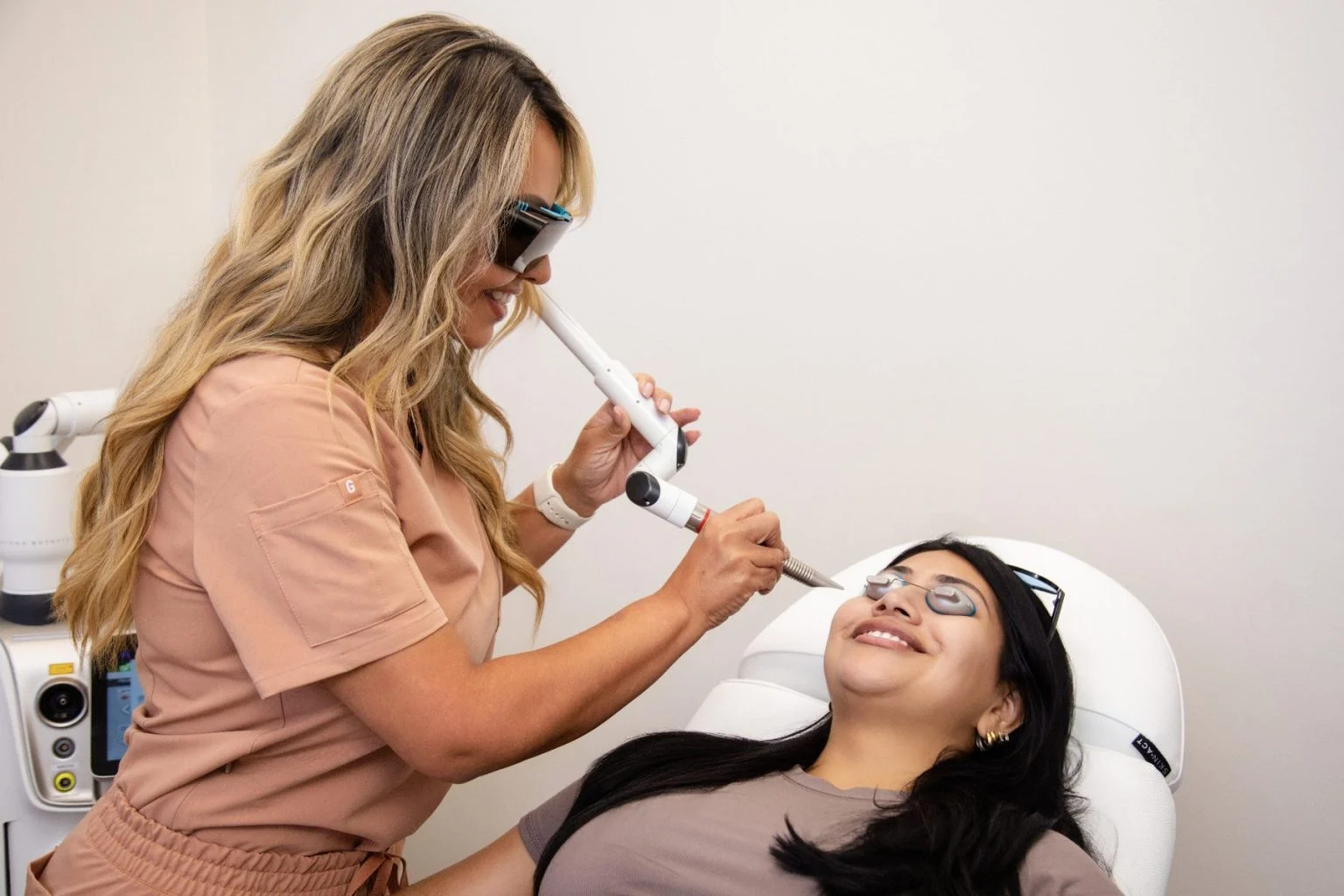
Skin can look tired long before it is truly aging. That distinction matters. A 29 year old can walk into a clinic with greyish tone, rough texture, under eye creasing, and a face that seems flat under overhead lighting. A 52 year old can have fewer lines than expected, yet still complain that she looks worn out by noon. In both cases, the issue is often not only wrinkles. It is brightness, texture, circulation, collagen quality, and the way skin reflects light.
That is where Fotona Laser Treatments often enter the conversation. They are frequently discussed for tightening and rejuvenation, but one of their most useful roles is less dramatic and more practical: helping skin that has lost freshness. Dull skin rarely has one single cause, so no laser is a magic eraser. Even so, the right Fotona protocol can improve tone, refine texture, encourage collagen remodeling, and restore some of the bounce that makes a face look rested.
Patients usually describe the goal in ordinary language. They want to look awake without looking altered. They want makeup to sit better. They want fewer comments about being tired. Those are reasonable goals, and they are often more achievable than a complete transformation.
What “dull” skin really means in clinic terms
Dullness is one of those beauty words that sounds vague until you start examining skin closely. In practice, it usually refers to some combination of slower cell turnover, surface roughness, dehydration, mild pigment irregularity, enlarged pores, reduced elasticity, and a decrease in dermal support. Skin stops reflecting light evenly, so the face loses that subtle vitality associated with health.
Tired-looking skin adds another layer. It is not just a texture issue. It may include early laxity around the cheeks or jawline, crepiness around the eyes, shallow lines that become more obvious when the skin is dehydrated, and a general flattening of contours. Even if someone is sleeping well, managing stress, and using decent skincare, the mirror can still suggest otherwise.
This is why treatment selection matters. A heavy resurfacing approach may be too much for someone whose main complaint is flat, lifeless skin. On the other hand, a purely hydrating facial may feel pleasant but deliver little change beyond a few days. Fotona systems occupy a useful middle ground because they can be adjusted to work at different depths and intensities.
Why Fotona is often chosen for skin that looks fatigued
Fotona is not one single treatment in the way many patients imagine. It is a laser platform that can use different wavelengths and modes to target specific skin concerns. The details vary by clinic, machine configuration, and the practitioner’s treatment plan. That flexibility is part of the appeal.
For dull, tired-looking skin, the value of Fotona Laser Treatments usually comes from three mechanisms. First, controlled heating stimulates collagen remodeling. Second, selected settings can improve superficial texture and encourage healthier turnover. Third, some protocols tighten tissue subtly, which helps light catch the skin more evenly. The result is often not a dramatic before-and-after overnight shift, but a gradual return of clarity and firmness.
This point is worth emphasizing because many people expect a laser to work like a filter. It does not. Good laser work often looks almost boring at first glance, then increasingly impressive in real life. The skin looks smoother under bathroom lighting. It needs less foundation. The jawline seems a bit cleaner. Fine lines around the mouth soften. Friends say you look well rather than asking what you had done.
For the right patient, that understated result is the whole point.
The most relevant Fotona approaches for this concern
When practitioners talk about Fotona for rejuvenation, they may be referring to non ablative tightening, fractional resurfacing, or a combined protocol that layers different settings in one session or across a course of treatments. The specific names can vary, but the treatment philosophy is usually built around matching the depth and aggressiveness to the patient’s skin condition and tolerance for downtime.
A common approach for tired-looking skin is gentle to moderate collagen stimulation without stripping the entire surface. If someone has mild laxity, enlarged pores, and a general lack of radiance, non ablative treatment can be a strong starting point. There is typically less downtime, and the risk profile can be more manageable than with more aggressive resurfacing.
If surface texture is a bigger issue, for example roughness, old acne marks, or crepey skin around the lower face, a more resurfacing-focused plan may make sense. In experienced hands, this can improve the skin’s ability to reflect light and feel smoother to the touch. The trade-off is more recovery, more aftercare, and a greater need for careful patient selection.
Many of the best outcomes come from combination thinking rather than one isolated pass of laser. A patient with sun damage, early laxity, and dehydration may need energy-based treatment plus pigment control, improved barrier repair, and realistic spacing between sessions. That is not less sophisticated than a single intense laser day. It is often more effective.
What a treatment course can realistically improve
The strongest candidates for Fotona Laser Treatments tend to have mild to moderate concerns rather than very advanced sagging or severe volume loss. In those patients, improvements can be quite satisfying. Skin often appears brighter because roughness is reduced and tissue quality improves. Pores may look tighter. Fine lines can soften. There may be subtle lift in areas where tissue has begun to slacken, particularly around the cheeks, lower face, and eye area, depending on the settings used.
That said, a laser cannot replace missing facial volume in the way injectables sometimes can. If someone looks tired mainly because of deep tear troughs, midface volume loss, or significant skin excess, laser alone is unlikely to fully solve the issue. It can improve the skin that sits over those structures, but it does not recreate the support beneath them.
Pigment is another area where expectations need balance. Some patients notice more even tone after a course of treatment, but mottled pigmentation often needs its own strategy. If melasma is involved, aggressive heat can actually be counterproductive in some people. This is where nuance matters. A clinic that treats every dull complexion the same way is not practicing at a high level.
Who tends to do well
A useful consultation usually sorts patients into broad categories. The people who tend to be happiest are those with visible fatigue in the skin rather than purely structural aging.
- Mild to moderate dullness, uneven texture, and early fine lines
- Enlarged pores and skin that looks flat under makeup
- Early laxity of the lower face or periocular area
- Patients wanting improvement with less downtime than deeper resurfacing options
- Patients willing to complete a series rather than judge the treatment after one session
Even within these groups, skin type, tanning habits, active acne, rosacea, post inflammatory pigmentation risk, and medication history all need attention. A laser treatment plan is never just about the headline complaint.
The consultation matters more than the machine
Patients often shop by brand name because it feels safer. In reality, the person operating the laser and the treatment design are at least as important as the device itself. A good consultation looks at more than your face in neutral lighting. It asks how quickly you heal, how much downtime you can realistically manage, whether you are prone to pigmentation, what skincare you use, and what result would actually make you happy.
I have seen this play out repeatedly in practice settings. One patient says she wants brighter skin, but on closer discussion what bothers her most is under eye hollowing and shadowing. Another says she wants tightening, but her skin is primarily dehydrated and irritated from overuse of acids and retinoids. In the first case, laser may help the skin quality but not fix the main issue. In the second, barrier repair may need to come first or the treatment is more likely to provoke than polish.
This is why honest clinicians sometimes say not yet, or not this treatment. That is not a sales failure. It is good judgment.
What the appointment usually feels like
The experience depends on the intensity of the chosen protocol. Gentler sessions can feel warm and prickly, sometimes compared to fast snaps of heat. More intensive resurfacing feels stronger and may require topical numbing, cooling, or both. Most patients tolerate non ablative sessions well enough, especially when expectations are set properly.
The appointment itself is usually straightforward. The skin is cleansed, photographs may be taken, protective eyewear is used, and the practitioner works methodically across the treatment zones. Some clinics combine intraoral or deeper tightening steps with external passes when appropriate. That can sound strange to first-time patients, but the principle is to stimulate tissue support from different angles.
Immediately after treatment, redness is common. Swelling can occur, especially around the eyes. Depending on the settings, the skin may feel warm for several hours and look pink for a day or several days. Stronger resurfacing can involve bronzing, roughness, and a sandpapery shedding phase before the skin looks fresher. This is the stage many patients underestimate. They imagine downtime as staying home one day, then returning with perfect skin. Real recovery is often less tidy than that.
Results are cumulative, and that is usually a good sign
One reason some people underrate Fotona Laser Treatments is that the changes can be incremental. Patients used to injectables sometimes expect a single-session reveal. Laser biology is different. Collagen remodeling takes time. Surface renewal takes time. The brighter, less fatigued look often emerges over several weeks and improves further after a series.
For mild dullness, some people see enough benefit after one session to repeat it seasonally. For more obvious textural fatigue, a course of three to four treatments spaced several weeks apart is common. More intensive resurfacing may require fewer sessions but more downtime. Neither approach is universally better. The right choice depends on skin goals, work schedule, budget, and tolerance for recovery.
A useful way to judge progress is not by staring at the mirror the next morning, but by checking three or four weeks later in the same lighting as your baseline photos. That is when small improvements start to add up. The cheek surface looks calmer. The lower face feels firmer when applying moisturizer. Fine crinkling near the eyes is a touch less obvious. Skin catches light instead of swallowing it.
The trade-offs patients should understand before booking
Every worthwhile treatment has trade-offs. Laser is no exception. The obvious trade-off is downtime versus intensity. Stronger settings often produce stronger visible change, but also more redness, peeling, social downtime, and aftercare. Lower intensity treatment may fit easily into a busy schedule, but require patience and multiple sessions.
Cost is another practical factor. A well-executed laser course is an investment, and maintenance matters. Patients should also understand that lifestyle can blunt results. Chronic sun exposure, smoking, poor sleep, aggressive skincare, and unmanaged pigment disorders can all reduce the payoff.
Then there is the issue of expectation mismatch. If someone wants to look five years younger by the weekend, a gradual skin-quality treatment may feel disappointing even if it is objectively working. On the other hand, if someone wants to look fresher over the next three months with a natural finish, Fotona can be a very https://ameblo.jp/alexiswkxc423/entry-12978246614.html sensible choice.
One more point that deserves honesty: not every tired face needs laser first. Sometimes what reads as fatigue is mostly volume loss, brow position, or pronounced under eye anatomy. Great practitioners know when to say laser is part of the answer, not the whole answer.
Skin tone, safety, and why customization is essential
Laser discussions are incomplete without mentioning skin tone. Different skin types carry different risks, especially around post inflammatory hyperpigmentation. That does not automatically rule out treatment, but it does mean settings, pretreatment, timing, and aftercare must be handled carefully.
This is where experience shows. A cautious practitioner may precondition the skin, choose a less aggressive protocol, extend intervals between sessions, or postpone treatment until recent tanning has faded. These choices can seem conservative to patients who want maximum intensity immediately. Often, they are exactly what protects the outcome.
Anyone with a history of melasma, persistent redness, cold sores, or delayed healing should mention it early. Those details shape the plan. Good outcomes start before the laser ever touches the skin.
Aftercare often determines whether the result looks polished or patchy
Patients love to focus on the machine and ignore the week after treatment. That is a mistake. Aftercare affects comfort, healing quality, and the final cosmetic result. The basics are not glamorous, but they matter.
- Follow the clinic’s cleansing and moisturizing instructions precisely
- Avoid active exfoliants, retinoids, and unnecessary heat until cleared
- Use broad-spectrum sun protection consistently, even on cloudy days
- Do not pick, scrub, or force off rough or shedding skin
- Report unusual swelling, crusting, or pigment changes promptly
I have seen excellent treatments undermined by impatient aftercare. A patient feels rough texture on day three, uses a scrub to “help it along,” then wonders why the skin looks irritated and uneven. Another resumes strong actives too soon because her redness seems minor. The skin barrier disagrees. Restraint is part of the treatment.
Combining laser with skincare, injectables, or other procedures
The best skin rejuvenation plans are rarely one-note. A person with tired-looking skin may benefit from Fotona Laser Treatments as the anchor, then use skincare to maintain brightness and support barrier function. Vitamin C, pigment regulators where appropriate, gentle retinoids once the skin has healed, and disciplined sunscreen use all help extend the benefit.
Some patients also combine laser with carefully timed injectables. If dullness is paired with early jowling or flattening through the midface, a small amount of structural support may make the laser results look more meaningful because the improved skin now sits on a better framework. Likewise, if under eye shadowing is mostly anatomical, laser can refine crepiness while another treatment addresses contour.
The order matters. Experienced clinics usually stage treatments so the skin is not overwhelmed and each modality has room to show what it can do. This is one reason rushed package deals can underperform. Good sequencing beats doing everything at once.
How long the refreshed look tends to last
There is no single answer because maintenance depends on age, sun exposure, skin quality, hormones, and daily habits. As a broad rule, brightness and textural improvements can last for months, while collagen-related gains are more gradual and depend on continued skin care and, often, periodic maintenance sessions.
Patients in their thirties and forties with early signs of fatigue often maintain results well with occasional repeat treatments and consistent home care. Patients with heavier sun damage or more advanced laxity may need a more structured plan. The useful mindset is not one-and-done. It is course-correct and maintain.
That may sound less exciting than a miracle treatment, but it is how real skin behaves. The face keeps moving, aging, drying, healing, and meeting the sun. Smart maintenance respects that reality.
A practical way to decide if it is worth it
If you are considering Fotona for dull, tired-looking skin, ask yourself a few direct questions. Is your main concern skin quality, or is it contour and volume? Do you want gradual natural improvement, or are you hoping for a dramatic reset? Can you follow aftercare and avoid sun exposure during recovery? Are you comfortable with the possibility that more than one session will be needed?
When the answers line up, Fotona Laser Treatments can be an excellent option. They suit the patient who wants fresher, healthier-looking skin rather than a suddenly different face. They reward consistency, realistic expectations, and good clinical judgment. The changes are often subtle in the best sense of the word. Skin looks more awake. The face reads as rested. Light returns.
For many people, that is exactly the point.
OMNIA Wellness Center
Address: 16430 Ventura Blvd Ste 207, Encino, CA 91436
Phone number: +18183868511
FAQ About Fotona Laser Treatments
What is a Fotona laser good for?
A Fotona Laser system is a versatile, dual-wavelength medical laser used primarily for non-surgical skin tightening, anti-aging rejuvenation, and dermatological treatments.
How much does the Fotona laser cost?
The cost of a Fotona laser depends heavily on whether you are looking to purchase a laser machine for a medical practice or are a patient seeking a laser treatment at a medspa.
Is a Fotona laser worth it?
A Fotona laser treatment is generally worth it if you want non-surgical skin tightening, improved texture, and collagen stimulation with very little downtime.